

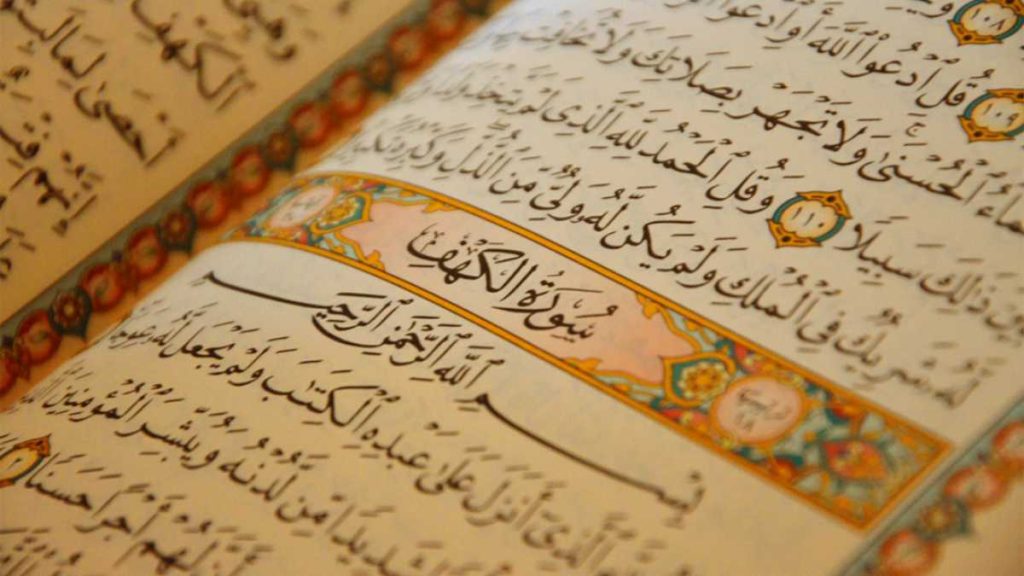
To over a billion Muslims around the globe, the Quran, Islam’s holy scripture, is regarded as the precise word of God (Allah). It is given to Prophet Muhammad (peace be upon him) through the angel Jibreel (Gabriel). Written in classical Arabic, it is a spiritual, moral, and legal guiding light for Muslims around the world. Differentiating from other religious texts, Muslims view The Quran as being the direct, unalterable word from God. In this article, we will learn what is the Quran, its significance of The Quran and how it has impacted Muslim life and beyond.
The Origin and Revelation of the Quran
The Quran was revealed over the years, starting in the year 610 CE, when Prophet Muhammad was gifted the first revelation in the Cave of Hira, located beside Mecca. The Prophet’s passing in 632 CE marked the endpoint of these divine gifts. The Quran was broken into parts, which made it far easier to comprehend the guidance given to the early Muslims.
Muhammad’s followers diligently memorized the articulated revelations and compiled them into one singular book during the Caliphate of Abu Bakr (632 – 634 CE). The rule of Caliph Uthman (644 – 656 CE) witnessed the completion of the standard version. It ensures that all Muslims recite the affected verses the same way and know how to preserve the scripture properly.
Structure and Content of the Quran
To know, what is the Quran, you have to know about these important aspects. The Quran is split into 114 chapters of different word lengths. These Surahs are divided among the Meccan and Medinan periods depending upon when they were revealed. Meccan Surahs concentrate on theistic principles, life after death, and ethics Medinan Surahs include laws and matters such as social equity and administration.
In addition, the Quran is split into 6,236 verses (Ayahs) and is customarily divided into 30 sections (Juz) to make recitation easier. The original language of the Quran is Arabic. It has been translated into various languages across the world to make it accessible to a larger audience without changing the original text.
Key Themes of the Quran
The Quran incorporates many topics, such as:
Monotheism and the Nature of God – A core aspect of the Quran is the message of the ‘Oneness of Allah (Tawhid)’ along with His merciful, just, and all-knowing nature.
Prophethood– The Quran narrates the life and times of other prophets, namely Adam, Noah, Ibrahim, Musa, and Isa were all sent as God’s messengers.
Moral and Ethical Guidance – Honesty, compassion, self-control, and social justice are among the values it preaches.
Worship and Devotion – Activities such as prayer (Salah), fasting (Sawm), charity (Zakat), and pilgrimage (Hajj) are outlined.
The Afterlife – The Quram describes heaven (Jannah) and hell (Jahannam) as domains of sensitive interaction within the broader Allah’s Kingdom overseeing mankind on earth. It emphasizes responsibility and justice.
The Quran’s Role in Muslim Life
Do you want to know what is the Quran? For Muslims, the Quran is more than just a book; it is a completely integrated manual of day-to-day life. Some key aspects are:
Spiritual Guidance: It is recited during prayers, self-contemplation, and spiritual therapy.
Legal Framework: Many Islamic laws (Sharia) are documented, discovered, or assumed in conjunction with the Quran, which includes individual behavior, business practices, and family matters.
Educational Importance – Learning and memorizing the Quran is a virtue that many Muslims try to become Hafiz, a person who has memorized the Quran in its entirety.
Cultural Influence_ The Quran has inspired facets of Islam, such as art, literature, and even calligraphy, serving as a pillar for Muslim civilization.
Preservation and Scientific Aspects of The Quran
Unlike other scriptures, the Quran has a distinctive mode of preservation. From the time of its revelation, the Quran remains unchanged, with millions of people Synonymizing it. Scholars also verify this through history and manuscripts.
Moreover, the Quran has some features whereby certain happenings in nature are described. It is parallel with modern scientific knowledge. The mentions of the development of the human embryo, astronomy, and oceanology in the verses delight many scientists and pious believers with its transcendental character.
Conclusion
You got your answer of what is the Quran?The Quran serves as a religious book but, more importantly, as an unparalleled source of wisdom, instruction, and inspiration to millions of Muslims around the world. Its articulation, protection, sequence, and content serve transforming and beneficial roles at both individual and societal levels. Studying the Quran brings one closer to the Islamic religion, civilization, and history, thereby making it a requisite topic for students of different world religions.
FAQs
1. What is the Quran?
The Quran is regarded as the holy book of Islam. It is believed to have been dictated to the Prophet Muhammad by God. Muslims regard it as a legal, spiritual, and moral reference for all Muslims across the globe.
2. Who wrote the Quran?
Islam holds that the Quran has no human authors, although it was gathered together many years after its revelation. The words of the Quran were given by God to Muhammad through the Angel Jibreel, and so Muslims believe. After the prophet’s death, the companions of the prophet compiled it under the direction of the Caliphs.
3. Why is the Quran in Arabic?
The language of the people at the time the Quran was revealed was Arabic. Therefore, it was written in Arabic. Although the Quran has been translated into different languages, it is kept in Arabic to preserve the power and pith.
4. In what ways does the Quran differ as a religious book?
Unlike other texts, Muslims believe that the Quran is the verbatim word of God, free from any changes over the years. The Quran also covers a wide range of subjects, from matters of the spirit to the law.
5. Is the Quran accessible to non-Muslims?
Certainly – non-Muslims can read the Quran if they wish to learn about Islam. A lot of people read it for their academic work concerning religion and its history and philosophy.