

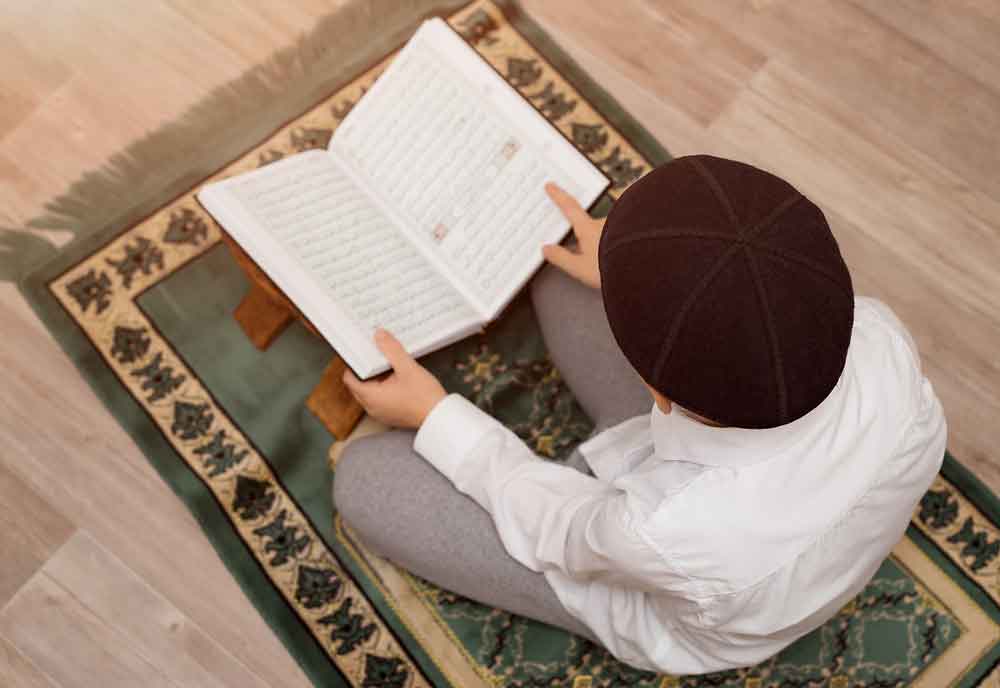
Do you want to be a better speaker, wish to have a good memory, and want to be confident as you speak in public? So why not try a recitation class? A structured recitation class can make all the difference, whether you’re gearing up for school presentations, poetry contests or even professional pitches. This post, recitation defined, highlights what a recitation class is, the rewards, and why it should be a priority of your time and energy.
What Is a Recitation Class?
A recitation class usually means teaching students how to memorise, interpret and deliver written text — poems, speeches, passages — with clarity and feeling. Unlike, say, casual reading or rote memorisation, this class is focused on expression, voice modulation and engaging the audience. Actors stand up and recite monologues; they get feedback and are taught how to deliver lines that stay with you.
In recitation classes, you may work on famous speeches, literary excerpts or your writing. The teacher takes you through the paces of breath control, gestures, intonation and pacing. The sessions are interactive – some have peer reviews, and you will be challenged to improve.
5 Advantages of Joining a Recitation Course
Enhanced Public Speaking Skills
A recitation class is a secure, safe place to try out speaking and work on being comfortable with the language. Talking in front of classmates can help you get over stage fright. You also learn to project your voice and make eye contact and engage a crowd — some basic skills for those who make presentations, go on job interviews or perform in front of an audience.
Improved Memorisation Techniques
Memory work is about more than repetition. In a recitation class, you’re being taught the learned methods of chunking, visual learning, and rhythm learning. These learning strategies help people remember information and are useful in studying, training, and everyday life.
Expressive Interpretation
Recitation is not recitation of words; it’s about animating text. “In a recitation class, you’re learning in the body how to source emotion, how to emphasise a particular phrase, and the way to tailor tone and pace. By responding to nuances of delight, sorrow, and wit, you make any spoken word credible.
Better Language Skills
For your mother tongue or a new language, a recitation class boosts pronunciation, enunciation and fluency. Repetition of difficult sounds, work on rhythm, and graded notes are all beneficial for articulation and general verbal abilities.
Creative Community Engagement
You make friends through a recitation class. From recitals to parties with friends, you can share ideas, work on performances, and help one another along the way. Such a sense of community breeds confidence and a space for creativity.
The Right Recitation Class for You
Recitation classes are not all made the same. Here’s what to look for:
Qualified Instructors
Select courses taught by Speech theatre or theatre arts teachers with experience. They should be able to give personal feedback and focus on technique as well as on emotion.
Balanced Curriculum
The finest recitation classes include technical training (voice control, breathing), interpretive skills (emotion, timing) and public performance. Search for some form of structure or even progression and variety in the content.
Small Class Size
Smaller classes ensure individual attention. Furthermore, a tutorial class should not have more than 10-12 students to accommodate directed instructions and critique.
Performance Opportunities
Frequent practice or live recitals are priceless. And these are experiences that allow you to put what you learn (that is, what you believe in) into practice in the real world, building your resilience in the process.
Progress Tracking
The gold standard of a recitation class judges your performance and improvement over time: with recordings, instructor notes or peer reviews. Measurable progress keeps motivation high.
What to Expect in a Typical Recitation Class?
Here’s what your week might look like:
Warm‑up exercises
Vocal techniques, tongue twisters, and breathing exercises.
Text study
Exploring meaning, recognising tone, considering context.
Practice recitation
Group recitals, duet rehearsal, and instructor support.
Feedback session
Constructive critique on projection, emotion, and pacing.
Performance segment
Mini-recitals or solo/duet performances of memorised songs/pieces.
Every session makes you a more confident, skilled and savvy storyteller.
How to Make the Most of Your Recitation Class?
- Practice daily: As little as 10–15 minutes helps with retention and comfort.
- Listen to yourself: Identify areas to improve.
- Annotate your script: Mark pauses, emphasis, gestures.
- Master onlookers: Observe well-known orators or actors in action.
- Keep exploring: Try new genres, languages or styles.
- A little dedication and willingness here, and your recitation class experience becomes life-altering.
Real Results from a Recitation Class
Here are real transformations:
- Some of his students, such as a stutterer, started delivering confident speeches in class after practising slow, paced recitation and controlled breathing he taught them in the recitation class.
- A foreign second language teenager enhanced their speech patterns, removed accent problems, and had an increase in academic success.
- One mid-career professional honed his keynote address, captivating international conference audiences after rehearsing in recitation class.
- These are the successes that show how recitation class constructs both voice and presence, and therefore devastating impact on life.
Choosing the Right Recitation Class for You
Begin by defining your goals, academic success, creative arts, confidence or professional polish. Find out local classes or online options suitable for you.
Read reviews, watch sample sessions and inquire about instructor qualifications. Feel free to take trial classes to see how the gym feels. Join groups or social media communities (e.g. Facebook group) where students talk about their experience in Recitation class and recommend the program.
Conclusion
A recitation class is more than just a workshop; it’s an investment in your voice, mindset, and future. And by developing your skill to remember, understand and present text with emotion and lucidity, you become an engaging, high-quality communicator. Whether it’s for school, work, or personal pursuits, the benefits last a lifetime.
Expect a confidence boost, sharper memory, better language skills and a supportive creative community. If you’ve ever longed to take centre stage with ease and attention, a recitation class has your light.

FAQs
At what age do you hold this recitation class?
Recitation-type classes are versatile by age. The memory encourages children and the speech is developed, and teens and adults can improve their public speaking skills and have a creative outlet.
How many recitations should I go to?
Best, at least one time each week, augmented with daily practice. The regular feedback and community support are crucial for continuous improvement.
Can a recitation class assist with stage fright?
Absolutely. Students encounter their own and others’ work throughout a recitation class, practice over time reduces the anxiety that comes along with public verbal performance and builds a connection with the audience through small performances and peer feedback.
Is prior acting experience necessary?
Not at all! Acting training is helpful; a recitation class delves into the speech and the interpretation of the text. Beginners are encouraged, and all beginners are supported.
When will I feel better?
Many of our students see improvement in as little as 4-6 weeks with consistent attendance. Melody lines, confidence, vocal techniques, and stage presence all improve steadily with consistent effort.