

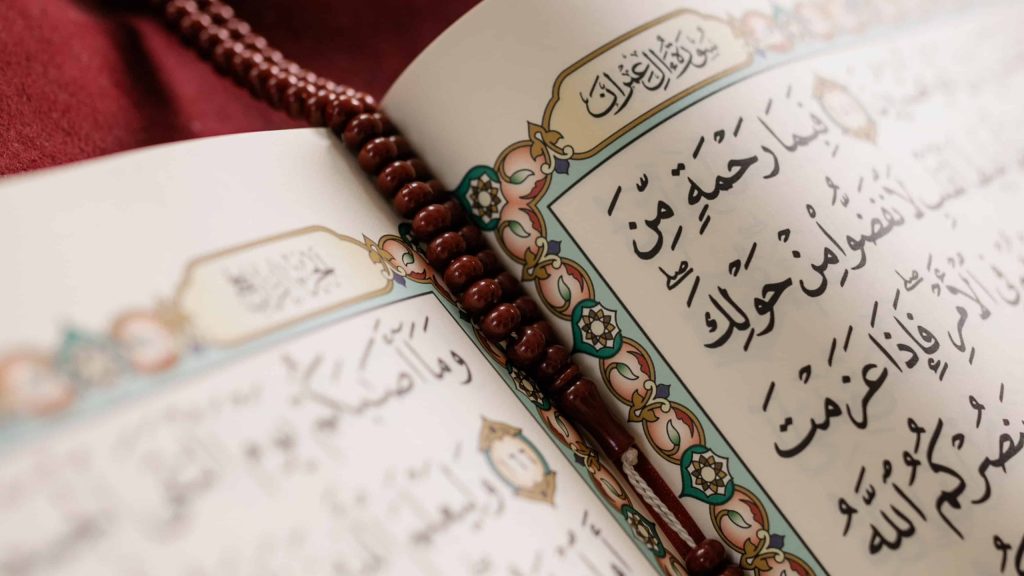
Hifz, or committing the Quran to memory, is memorizing Quran is one of the most honorable pursuits in Islam, and is one of the most honorable acts of devotion to Allah. It’s mainly an individual spiritual journey, but also connects Muslims to the Quran. Developing the ability to retain the text of the Quran is an important skill in Islam. For centuries, madrasas and mosques served as an environment to practice Hifz, with the Quran serving as the primary text. Participants encouraged one another, and praise was offered throughout the learning. Yet today, in a busy world, memorizing Quran from home is an alternative option that many strive for as an even better option.
You can achieve the status of a Hafiz or Hafiza without stepping into a madrasa. Online lessons, Quran memorization apps, and organizational skills in home lessons create an effective home environment that many strive for.
What are the Benefits of Memorizing Quran from Home?
Flexibility, comfort, and accessibility. With home memorization, you can set your own pace. When all is considered, a person can customize their routine as called for without the demand of a class. While learning, a person can feel pressured or relaxed as they follow the expectations of a class or a person giving directions.
When studying the Quran at home, it is nice because it is quiet and familiar. There are no irritations that come with a group study and no distractions to consider. You being home and with your family magnifies the peace. This is conducive to capturing sincerity (Ikhlas), which is extremely important to aid your success in memorizing Quran.
Understanding the Journey of Hifz (Quran Memorization)
You cannot just become a Hafiz or Hafiza overnight or magically. Stages are followed to help with memorization of the Quran, which is time-consuming, requires patience, and must be followed with guidance. Generally, Hifz is broken down into three main stages:
Beginning Stage (Foundation Building)
Tajweed rules are to be learnt and surrounded with short surahs. Memorizing just two lines each second will help build a strong base.
Intermediate Stage (Expansion)
You are allowed to expand more by memorizing sections of Juz Amma, Juz Tabarak, and more. At this level, you must remember to keep strong, regular revision, and a strict structure to keep the sections you have just studied in your memory.
Advanced Stage (Retention and Mastery)
You learned all the major parts of the Quran, and now you focus more on revision (Muraja’ah) of the parts you learned and long-term retention of the portions. It is circling back to reviewing all parts. This stage, which requires a commitment that you will routinely review, is expected to last a long time.
Distractions, irregularity, and lack of confidence are common. But, as every Hafiz has done, take it step by step with one single verse and don’t forget to rely on Allah’s help to get it done. When you have a positive attitude, it is achievable.
Creating the Right Environment for Memorization
The setting of your memorization can either help you or hurt you. When memorizing from home, your setting is critical in establishing your level of concentration and your spiritual connection. Aim for something that inspires a sense of peace, minimizes distractions, and helps your brain focus to absorb the verses.
Start by selecting a specific space in your home to act as your Quran memorization corner. It can be as simple as a quiet corner, a prayer room, or a securely placed desk. When you choose this space, make sure that it is tidy and there is a sense of peace in the room or setting. Finally, make sure that the space is assigned and dedicated to this sacred purpose.
Next, look at decreasing distractions. Silence your phone, turn off needless notifications, and tell your family your study schedule so they can leave you quiet time. If you’re memorizing with a tutor online and you’re finding it hard to concentrate, noise-cancelling headphones can help with focus and eliminate outside sound.
Posture and lighting can impact your focus, too. To avoid eye strain, work in a brightly lit space. Your position should be comfortable, but you should still have good posture to remain alert. If it helps you concentrate, you can turn on a soft lamp and low-level white noise.
Lastly, purify your intention (niyyah) before each session. Begin with a short dua:
“O Allah, open for me the doors of Your mercy and grant me ease in memorizing Your Book.”
When your physical and spiritual environments align, memorizing Quran becomes more peaceful, meaningful, and effective.
Building a Consistent Routine
Consistency is the backbone of Quran memorization. The Prophet Muhammad ﷺ said,
“The most beloved deeds to Allah are those that are done consistently, even if they are small.” (Sahih al-Bukhari)
Here’s a sample daily routine:
| Time | Activity |
| After Fajr | New memorization (1–2 pages) |
| After Dhuhr | Short review of the morning lesson |
| After Asr | Practice recitation aloud |
| After Isha | Revise previously memorized portions |
Proven Methods for Memorizing Quran
The correct technique is very important when you memorize Quran. Each person is unique; however, a few techniques have already proven to be effective for most learners.
Chunking Method (Small Portions)
This is one of the most efficient methods. Memorizing a text in small, manageable portions (usually 1 to 2 lines). Read the lines multiple times, focus, and only then move to the next if you can already recite the lines from memory. Upon memorizing a few of these mini portions, try joining them in one continuous recitation until they create a single, flowing unit.
Listening and Repetition
Besides, listening to recitations of the Qaari’s like Sheikh Mishary Alafasy or Sheikh Sudais gives you a great opportunity for proper memorization. One reciting along with the audio makes for more correct pronunciation and rhythm a better vocabulary. Repeated recitations do auditory retention a favor.
Writing for Retention
Writing down verses after you have memorized them is very effective for retention because it incorporates visual and motor memory. This caters to visual learners.
Revising in Salah
Newly memorized portions should be recited during Salah. This will ease the portions into your heart, and they will strengthen your recitation memory during Salah.
Using Multiple Senses
Read, listen, and write at the same time. Engaging more than one sense at the same time increases your chances of recalling the information.
Teach What You Learn
Reciting the verses you just memorized to a friend or relative strengthens your memory, and you also get a double reward! This is because teaching the Quran is seen as a highly honorable act.
If you continue to apply these techniques, you will form a strong memorization practice, and it will help you become a real carrier of the Quran in your heart and mind.
Conclusion
One of the most empowering and spiritually nourishing journeys a Muslim can take is to memorize Quran from home. It unites the ancient practice of Hifz with the modern aids, thus making it possible for anyone, whether a child or an adult, to take this holy route without worrying about their place or time.
By creating a focused environment, having a set routine, applying good memorization methods, and mixing technology with classic recitation, you can achieve fabulous progress even from your living room.
FAQs About Memorizing Quran from Home
How long does it take to memorize Quran from home?
It varies with your commitment. Adults, on average, with daily work, can finish memorization in 3-5 years, while children may need a bit more time.
Can I memorize Quran without a teacher?
It’s feasible but not preferable. A proper mentor ensures the right Tajweed, monitors the learner’s progress, and assists.
How many hours daily should I commit to Hifz?
Minimum 1-2 concentrated hours daily is the recommended time for gradual development. It depends on your plans and timetable.
What if I don’t remember my memorization?
Losing memory is a natural phenomenon. Regular Muraja’ah (revision) and reciting during Salah are essential for keeping the memory long-lasting.
Which Quran app, among others, is the best for memorization?
Tarteel AI, Quran Companion, and Ayat are the top ones for guided memorization and keeping track of your progress.