

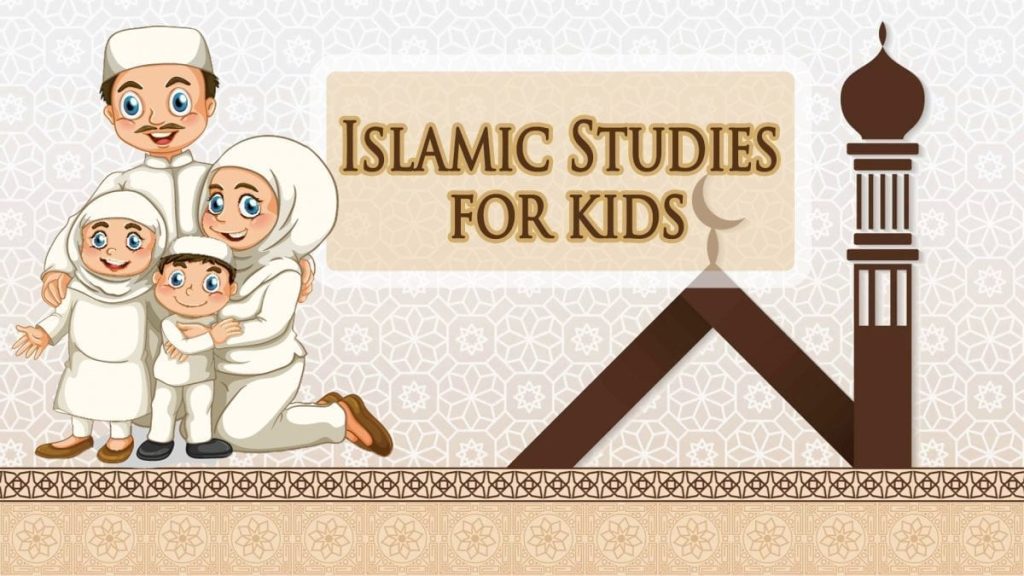
Islamic studies for kids is particularly interesting for young minds as it guides them, instills various moral and ethical principles, and promotes their understanding of religion. When children set off into this world with an insight into the Islamic perspective, they have a sense of self, morals, ethics, and spirituality. Such an establishment is convenient in this world and at the same time guarantees their connection to Allah (SWT). Such articles give detailed insight into the relevance of Islamic studies for kids, appropriate teaching methods, and parents’ constructive role in the education process.
Why is Islamic Studies for Children Important?
Understanding Beliefs:
Islamic studies for preschoolers aim to instill core Islamic beliefs early in life, through the oneness of Allah, the Prophethood, and the importance of worship. This kind of understanding fosters Islam in them all the time.
Preservation of Morals:
Islamic studies for children emphasize respect and gentleness as well as honesty and gratitude. To instill these virtues, they need to listen to stories about Prophets and companions while growing up such that they can practice such virtues in real life.
Fostering Self-Identity:
In this age of globalization and diversity, Islamic studies allow children to find and understand their roots. Studying such aspects of Islam and their history, culture, and practices enables them to appreciate their identity as Muslims and creates a sense of honor.
Enhancing Spiritual Growth:
It means that prayer, recitation of the Quran, and doing good deeds enable the children to build a spiritual relationship with Allah and this relationship empowers them and makes them strong and have direction in life.
Teaching Strategies in Islamic Schools
Interactive Learning:
Based on children’s development, young children learn better when they engage in activities. Praising stories, games, and the help of flashcards and videos make the teaching of Islamic concepts more enjoyable.
Storytelling:
Telling stories as far as the Prophets and historical incidents of the Islamic faith educates as well as inspires kids and instills in them values such as courage, patience, and faith.
Daily Practice:
Use some Islamic tips learned in daily life, like saying prayers before eating, using the phrase “Assalamu Alaikum” and teaching children the meaning behind it. These habits support learning in practice.
Technology Integration:
Communication applications, lessons in a digital environment, and cartoons are some of the innovations that may be implemented. Parents want platforms that are knowledgeable, age-appropriate, and engaging for children.
Role Modeling:
From my experience, children learn or copy what they observe from other people. Role models of good character and Islamic morality include parents and teachers as models for kids to copy.
Conclusion
Islamic studies for kids is looking at education as an act of nurturing love towards their religion as well as developing them into responsible citizens. Childhood education is therefore very crucial by making use of creative teaching techniques and getting involved in social Islamic values, parents and teachers can contribute to the proper bringing of social Islamic society. The time and effort spent today will certainly pay a whopping sum in the future whereby youngsters who will become the future generations of this world will embrace the Islam religion, showing full confidence, compassion, and devotion.