

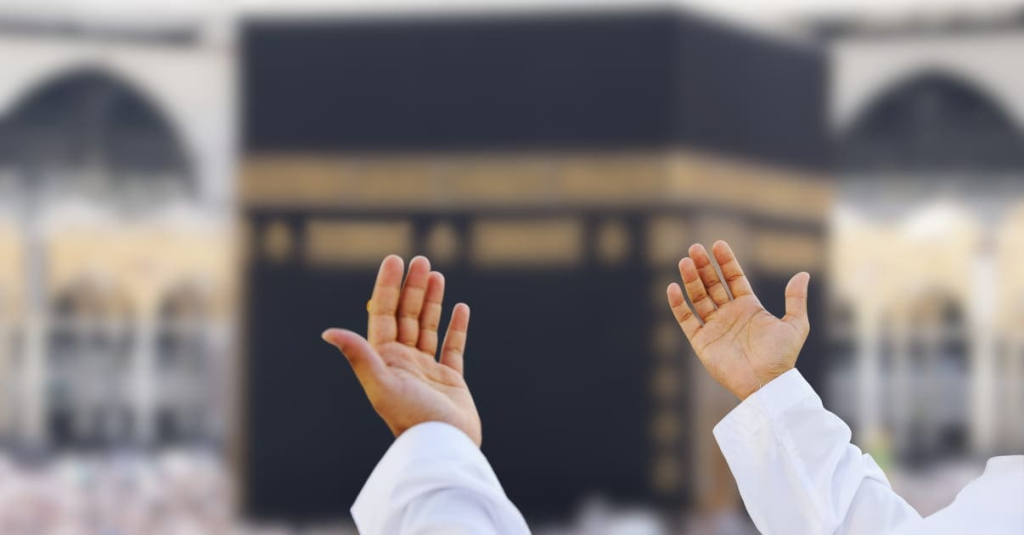
In the life of a practising Muslim, prayer (salah) holds a central place. Beyond the five daily obligatory prayers, there are voluntary (nafl) and emphasised sunnah prayers that strengthen one’s connection with Allah. Among these, the Witr prayer stands out for its significance and reward. Though not obligatory, Witr is highly recommended and is often considered wajib (necessary) by scholars of the Hanafi school of thought.
So, what is Witr prayer? When is it prayed? And how can you perform it correctly?
This guide will answer all these questions clearly and practically.
What is the Witr Prayer?
The word Witr (وتر) in Arabic means “odd.” The Witr prayer is an odd-numbered prayer that is usually performed after the Isha prayer (the night prayer) and before Fajr (the dawn prayer). It is typically prayed as 1, 3, 5, 7, 9, or even 11 rakats, but the most common way among Muslims is 3 rakats.
The Prophet Muhammad ﷺ said:
“Allah is Witr (One) and He loves Witr, so perform Witr, O people of the Qur’an.”
(Sunan Abu Dawood)
This hadith highlights the great esteem in which Allah holds this prayer and encourages every believer to make it a regular part of their nightly routine.
When to Pray Witr?
The Witr prayer time starts after Isha prayer and continues until the beginning of Fajr.
There are two main options:
- Right after Isha prayer: Ideal for those who are unsure they will wake up later in the night.
- After Tahajjud prayer (late night prayer): Ideal for those who wake up for night worship, as this was the regular practice of the Prophet ﷺ.
“Make Witr your last prayer of the night.”
(Sahih al-Bukhari and Muslim)
This means it’s best to end the night with Witr, whether you pray it before going to bed or after night worship.
How Many Rakats is Witr?
While Witr can be prayed as one single rakat, the most common and preferred method is 3 rakats. There are a few different ways to offer the 3 rakats:
1. Three Rakats with One Tasleem
This is the most common method in the Hanafi school of thought. You pray three continuous rakats without separating them, and only make one tasleem (salutation) at the end.
- In the third rakat, after reciting Surah Al-Fatiha and another surah, you say Dua Qunoot before going into rukū‘ (bowing).
2. Two Rakats + One Rakat (With Two Tasleems)
This method is practiced by many non-Hanafi scholars.
- Pray two rakats, ending with tasleem.
- Then get up and pray one rakat separately.
- This method is based on hadiths that show the Prophet ﷺ did this at times.
3. One Rakat Alone
For those short on time or new to the practice, praying just one rakat of Witr is still valid and acceptable.
“Whoever likes to pray Witr with one rakat, let him do so.”
(Sunan Ibn Majah)
How to Perform the 3-Rakat Witr Prayer (Hanafi Style)
Here is a step-by-step guide for praying Witr with three rakats together:
1st Rakat:
- Make intention (niyyah) for 3-rakat Witr.
- Say Allahu Akbar (Takbeer).
- Recite Surah Al-Fatiha, followed by another Surah.
- Complete the rakat with rukū‘ and sujood as usual.
2nd Rakat:
- Stand up and recite Surah Al-Fatiha + another Surah.
- Complete the rakat with rukū‘ and sujood.
- After sujood, rise for the third rakat without making tasleem.
3rd Rakat:
- Recite Surah Al-Fatiha + another Surah.
- After this, raise your hands and say Takbeer (Allahu Akbar).
- Then recite Dua Qunoot (Supplication).
- Continue the rakat with rukū‘ and sujood.
- Complete with tasleem (saying Assalamu Alaikum wa Rahmatullah to the right and then left).
What is Dua Qunoot?
Dua Qunoot is a special supplication that is recited in the final rakat of Witr prayer, after reciting the Quran and before bowing (rukū‘). Here’s a simple version of Dua Qunoot in Arabic with its English meaning:
Arabic:
اللَّهُمَّ اهْدِنِي فِيمَنْ هَدَيْتَ، وَعَافِنِي فِيمَنْ عَافَيْتَ…
(full version continues)
Translation:
“O Allah! Guide me among those You have guided, grant me health among those You have granted health… and protect me from the evil You have decreed…”
You can also make any personal dua in your own language if you don’t know the Arabic version.
Tips for Consistently Praying Witr
- Set a reminder after Isha to not forget Witr before sleeping.
- If you’re planning to wake up for Tahajjud, delay Witr till the end.
- If you accidentally miss Witr, make it up the next day.
Conclusion
The Witr prayer is a powerful and rewarding act of worship that completes your daily prayers and brings you closer to Allah. Though not obligatory for all, it was a habitual practice of the Prophet Muhammad ﷺ and strongly recommended. Whether you pray one rakat or three, what matters most is consistency, sincerity, and devotion. Try incorporating Witr into your nightly routine, even if it’s just a single rakat, and feel the spiritual benefit unfold in your life.
FAQs About Witr Prayer
1. Is Witr prayer obligatory?
Witr is not obligatory (fard), but it is wajib (necessary) according to the Hanafi school and highly recommended in others. The Prophet never left it ﷺ.
2. Can I pray Witr if I missed Isha?
You should first pray Isha and then Witr, even if you are making up missed prayers.
3. Can Witr be prayed without Dua Qunoot?
While reciting Dua Qunoot is recommended, if you forget it or don’t know it, your Witr prayer is still valid.
4. Can I pray Witr while sitting?
Yes, if you’re sick or unable to stand, you can pray while sitting, and Allah will still reward you.
5. Can women pray Witr?
Absolutely! The Witr prayer is recommended for both men and women. Women can pray it at home after Isha or after their night prayers.