

Namaz, also known as Salah, is the second pillar of Islam and one of the most important acts of worship. It is a direct connection between a Muslim and Allah (SWT). Performing prayer five times a day is an obligation upon every adult Muslim, and each prayer is a chance to renew your faith, seek forgiveness, and find peace.
If you are new to praying or want to refresh your understanding, this guide will help you learn how to perform a basic 2-Rakat Salah, such as the Fajr prayer, with correct steps and Arabic recitations. Each part is explained in simple English, with the relevant Arabic text for what to recite.
Let’s begin!
Preparation Before Prayer
Before you can start your prayer, make sure the following conditions are met:
1. Wudu (Ablution)
Perform wudu by washing your hands, mouth, nose, face, arms, wiping your head, and washing your feet. Wudu is essential for physical and spiritual purity.
2. Clean Clothing and Place
Ensure your clothes and the place of prayer (e.g., a prayer mat) are clean.
3. Dress Modestly
- Men: Must cover from the navel to the knees.
- Women: Must cover the entire body except the face, hands, and feet.
4. Face the Qiblah
Stand facing the direction of the Kaaba in Makkah.
5. Make Niyyah (Intention)
In your heart, make the intention for the prayer you are about to perform. For example:
“I intend to pray 2 Rakat Fajr for Allah.”
Step-by-Step: How to Pray 2 Rakat Salah (Example: Fajr)
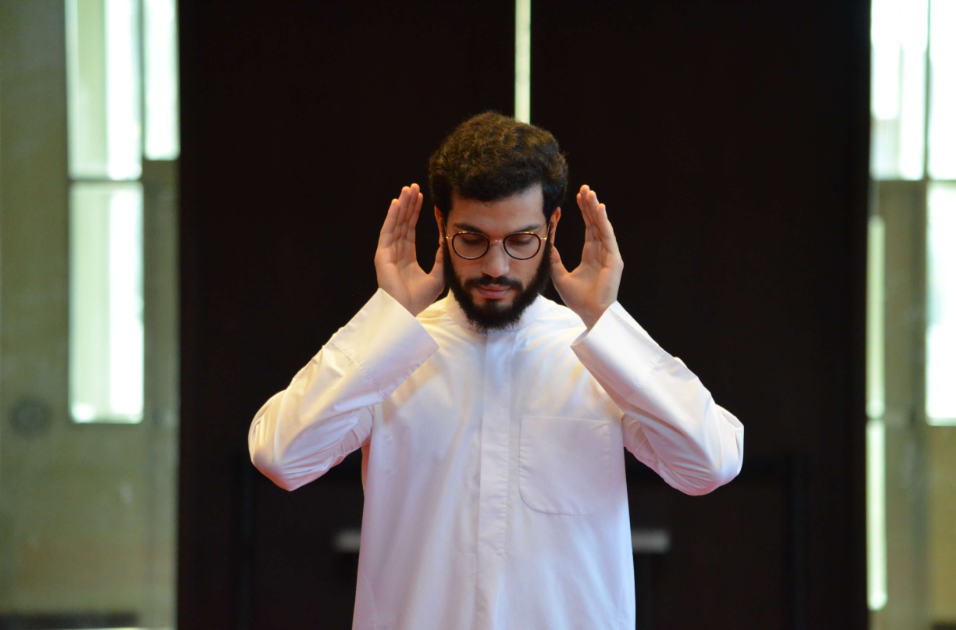
1. Takbir (Opening)
Raise both hands to your ears and say:
اللّٰهُ أَكْبَر
(Allahu Akbar – Allah is the Greatest)
2. Qiyam (Standing)
Place your right hand over your left hand on your chest. Then recite the following:
a) Opening Supplication (Thanaa):
سُبْحَانَكَ اللّٰهُمَّ وَبِحَمْدِكَ، وَتَبَارَكَ اسْمُكَ، وَتَعَالَى جَدُّكَ، وَلَا إِلٰهَ غَيْرُكَ
(Glory is to You, O Allah, and praise; blessed is Your Name and exalted is Your Majesty; there is no god besides You.)
b) Surah Al-Fatiha:
بِسْمِ اللَّهِ الرَّحْمَٰنِ الرَّحِيمِ
الْحَمْدُ لِلَّهِ رَبِّ الْعَالَمِينَ
الرَّحْمَٰنِ الرَّحِيمِ
مَالِكِ يَوْمِ الدِّينِ
إِيَّاكَ نَعْبُدُ وَإِيَّاكَ نَسْتَعِينُ
اهْدِنَا الصِّرَاطَ الْمُسْتَقِيمَ
صِرَاطَ الَّذِينَ أَنْعَمْتَ عَلَيْهِمْ غَيْرِ الْمَغْضُوبِ عَلَيْهِمْ وَلَا الضَّالِّينَ
c) Short Surah (e.g., Surah Al-Ikhlas):
قُلْ هُوَ اللَّهُ أَحَدٌ
اللَّهُ الصَّمَدُ
لَمْ يَلِدْ وَلَمْ يُولَدْ
وَلَمْ يَكُن لَّهُ كُفُوًا أَحَدٌ
3. Rukoo (Bowing)
Bend at the waist with your hands on your knees and back straight. Say:
سُبْحَانَ رَبِّيَ الْعَظِيمِ (3 times)
(Glory is to my Lord, the Most Great)
4. Standing from Rukoo (Qawmah)
Stand straight and say:
سَمِعَ اللّٰهُ لِمَنْ حَمِدَهُ
(Allah hears the one who praises Him)
Then say:
رَبَّنَا لَكَ الْحَمْدُ
(Our Lord, to You is all praise)
5. First Sujood (Prostration)
Go into sujood with forehead, nose, palms, knees, and toes on the ground. Say:
سُبْحَانَ رَبِّيَ الْأَعْلَى (3 times)
(Glory is to my Lord, the Most High)
6. Sitting Between Sujood (Jalsah)
Sit briefly and say:
رَبِّ اغْفِرْ لِي
(My Lord, forgive me)
7. Second Sujood
Repeat the same words from the first sujood:
سُبْحَانَ رَبِّيَ الْأَعْلَى (3 times)
8. Second Rakat
Stand up and repeat all the steps from Qiyam to the second Sujood.
9. Tashahhud (Sitting after 2nd Rakat)
After the second sujood, sit and recite:
التَّحِيَّاتُ لِلّٰهِ وَالصَّلَوَاتُ وَالطَّيِّبَاتُ، السَّلَامُ عَلَيْكَ أَيُّهَا النَّبِيُّ وَرَحْمَةُ اللّٰهِ وَبَرَكَاتُهُ، السَّلَامُ عَلَيْنَا وَعَلَىٰ عِبَادِ اللّٰهِ الصَّالِحِينَ، أَشْهَدُ أَنْ لَا إِلٰهَ إِلَّا اللّٰهُ، وَأَشْهَدُ أَنَّ مُحَمَّدًا عَبْدُهُ وَرَسُولُهُ
10. Ending the Prayer (Salam)
Turn your head to the right and say:
السَّلَامُ عَلَيْكُمْ وَرَحْمَةُ اللّٰهِ
Then turn to the left and repeat:
السَّلَامُ عَلَيْكُمْ وَرَحْمَةُ اللّٰهِ

FAQs
1. Can I pray in English if I don’t know Arabic yet?
No, the prayer must be performed in Arabic. However, you can learn step-by-step and start with the essentials. Many beginners memorise one short Surah at a time.
2. What if I miss a prayer?
If you miss a prayer, perform it as soon as possible as Qadha. Delaying without reason is sinful.
3. Can women pray during menstruation?
No, women are exempt from praying during menstruation and postpartum bleeding.
4. Is wudu required before every prayer?
Wudu remains valid unless you break it. If you lose wudu, you must repeat it before praying.
5. Can children start praying at a young age?
Yes! Children should be encouraged to pray from the age of 7, and by 10, parents should ensure they are praying regularly.
Conclusion
Namaz is a gift from Allah and a vital part of a Muslim’s daily life. It brings peace to the heart, structure to your day, and blessings to your life. If you’re just starting, don’t be overwhelmed. Begin with short prayers, understand what you’re saying, and build your connection with Allah step by step.
No matter your age or background, it’s never too late to start. Keep learning, keep practising, and remember: Allah loves consistency, even if it’s small.