

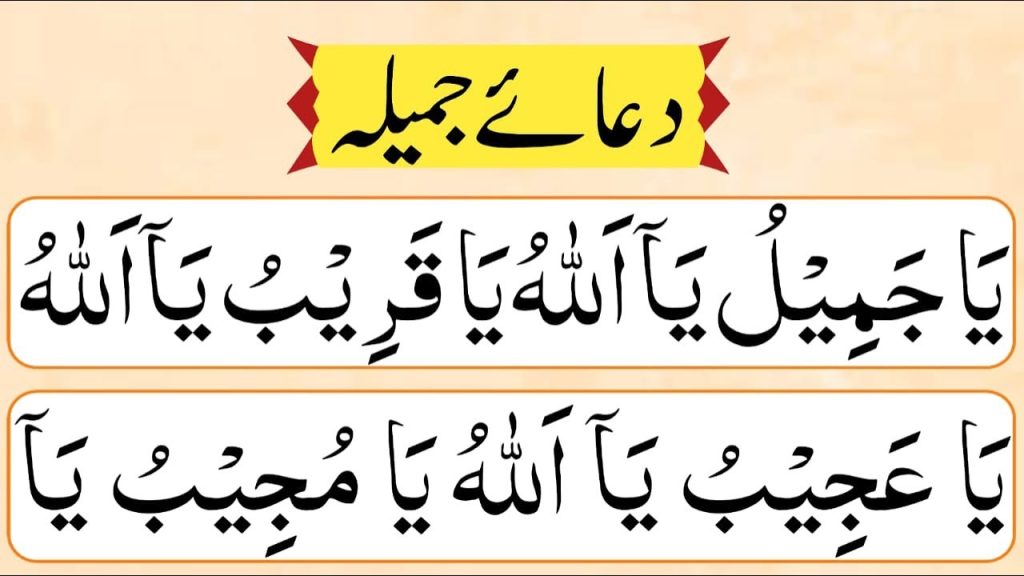
Amongst the supplications that Muslims compulsorily recite, Du’a e Jameela is one of the forms that need to be particularly pronounced. However, it is worth mentioning that Du’a e Jameela is brilliant due to its depth, beauty, and profound meaning, and thus holds a significant position alongside these supplications. Poetry and expressions of hallowed words for Allah’s (SWT) praise are very nice for this supplication. It is apparently said to be a treasure for one’s soul.
Historical Background of Dua e Jameela
Every dua has its history, and so is Dua e Jameela. Except for traditions, most of the sources are of the view that this particular dua was either stumbled upon by the first Islamic scholars, who hugely valued the depth and beauty of the dua. Others say it was related by the Companions of the Prophet Muhammad ﷺ. At the same time, there is also a belief that it came to be known more through the later ulema who included it in their collections of supplications.
In different Muslim communities, whatever be their sources, the invocation itself is held to be a precious word. It generally appears in books with prayers, stands as a public expression as any in a mosque, and is recited together in gatherings of remembrance (majalis). A regular practice in countries like Pakistan, India, and some parts of the Middle East is the teaching and recital of Dua-e-Jamil in children’s homes and during adverse situations.
Text designing Dua e Jameela
Dua e Jameela is quite an eloquent and thematic prayer. It is not like plain supplications which are usually to the point in making one or two requests. Rather, this dua is a composition involving praise, thanksgiving, and requests in a flow. It starts by glorifying Allah and mentioning His names and attributes, slowly progressing into prayers for forgiveness, blessings, and mercy.
These are some of the themes Dua e Jameela is built around:
- Appreciation of the infinite attributes of Allah including mercy, wisdom, and strength.
- Giving thanks for the blessings bestowed on humans.
- Asking for forgiveness from one’s sins.
- Protection shield and well-being from hardship, calamity, and bad things.
- Hope for both success in this world and in the Hereafter.
So, the translation of Dua e Jameela can depict the essential meaning which the believer should understand;
Blessings of Reciting Dua e Jameela
If a person with faith repeats Dua e Jameela, he or she will get countless benefits, spiritual as well as worldly. This will serve as an important source of power, hope, and healing for the followers.
Spiritual Rewards
The biggest gain from it is that it brings people closer to them: by praising and shouting His name, a man tightens his relationship with his Maker. Repenting from the core of one’s heart while uttering these words is considered a means of purification.
Emotional Rewards
Life is full of struggles and the anxieties become a heavy burden on the heart. Dua e Jameela provides relief to a person at the emotional level by making him remember that no matter how lonely or apart he feels, Allah listens and remembers him. This divine guarantee literally relieves stress, uplifts the mood and grows hope.
Wordly Benefits
The often there are miracles witnessed here on earth linked and shown by overwhelming through prayer. Gossips are saying that efficacy is getting achieved by chanting, work has been made easy, walking in the street becomes cool rather than pearl, marvelously finding solutions to relieve the body from illness, it is the source for deflecting enemies and enchanting family life in peaceful and favorable manners”
Dua e Jameela has been worded so comprehensively that it covers almost every aspect of human life. Whether someone is troubled by financial problems, requires direction, or is in need of peace of mind, this dua has some remedy up its sleeve.
Arabic Text (Dua e Jameela)
يَا جَمِيلُ يَا اللّٰهُ، يَا قَرِيبُ يَا اللّٰهُ، يَا عَجِيبُ يَا اللّٰهُ، يَا مُجِيبُ يَا اللّٰهُ، يَا رَؤُوفُ يَا اللّٰهُ، يَا مَعْرُوفُ يَا اللّٰهُ، يَا مَنَّانُ يَا اللّٰهُ، يَا دَيَّانُ يَا اللّٰهُ، يَا بُرْهَانُ يَا اللّٰهُ، يَا سُلْطَانُ يَا اللّٰهُ، يَا مُسْتَعَانُ يَا اللّٰهُ، يَا مُحْسِنُ يَا اللّٰهُ، يَا مُتَعَالِي يَا اللّٰهُ، يَا رَحْمَنُ يَا اللّٰهُ، يَا رَحِيمُ يَا اللّٰهُ، يَا حَلِيمُ يَا اللّٰهُ، يَا عَلِيمُ يَا اللّٰهُ، يَا كَرِيمُ يَا اللّٰهُ، يَا جَلِيلُ يَا اللّٰهُ، يَا مَجِيدُ يَا اللّٰهُ، يَا حَكِيمُ يَا اللّٰهُ، يَا مُقْتَدِرُ يَا اللّٰهُ، يَا غَفُورُ يَا اللّٰهُ، يَا غَفَّارُ يَا اللّٰهُ، يَا مُبْدِئُ يَا اللّٰهُ، يَا رَافِعُ يَا اللّٰهُ، يَا شَكُورُ يَا اللّٰهُ، يَا خَبِيرُ يَا اللّٰهُ، يَا بَصِيرُ يَا اللّٰهُ، يَا سَمِيعُ يَا اللّٰهُ، يَا أَوَّلُ يَا اللّٰهُ، يَا آخِرُ يَا اللّٰهُ، يَا ظَاهِرُ يَا اللّٰهُ، يَا بَاطِنُ يَا اللّٰهُ، يَا قُدُّوسُ يَا اللّٰهُ، يَا سَلاَمُ يَا اللّٰهُ، يَا مُهَيْمِنُ يَا اللّٰهُ، يَا عَزِيزُ يَا اللّٰهُ، يَا مُتَكَبِّرُ يَا اللّٰهُ، يَا خَالِقُ يَا اللّٰهُ، يَا وَلِيُّ يَا اللّٰهُ، يَا مُصَوِّرُ يَا اللّٰهُ، يَا جَبَّارُ يَا اللّٰهُ، يَا حَيُّ يَا اللّٰهُ، يَا قَيُّومُ يَا اللّٰهُ، يَا قَابِضُ يَا اللّٰهُ، يَا بَاسِطُ يَا اللّٰهُ، يَا مُذِلُّ يَا اللّٰهُ، يَا قَوِيُّ يَا اللّٰهُ، يَا شَهِيدُ يَا اللّٰهُ، يَا مُمِيتُ يَا اللّٰهُ، يَا مَنَعُ يَا اللّٰهُ، يَا خَافِضُ يَا اللّٰهُ، يَا رَافِعُ يَا اللّٰهُ، يَا وَكِيلُ يَا اللّٰهُ، يَا كَفِيلُ يَا اللّٰهُ، يَا ذُو الْجَلَالِ وَالْإكْرَامِ يَا اللّٰهُ، يَا رَشِيدُ يَا اللّٰهُ، يَا صَبُورُ يَا اللّٰهُ، يَا فَتَّاحُ يَا اللّٰهُ، لَا إِلٰهَ إِلَّا أَنتَ سُبْحَانَكَ إِنِّي كُنتُ مِنَ الظَّالِمِينَ، وَصَلَّى اللّٰهُ تَعَالَى عَلَى خَيْرِ خَلْقِهِ مُحَمَّدٍ وَعَلَى آلِهِ وَأَصْحَابِهِ أَجْمَعِينَ بِرَحْمَتِكَ يَا أَرْحَمَ الرَّاحِمِينَ
English Translation
“Oh Beautiful, O Allah. O Near, O Allah. O Marvelous, O Allah. O Responsive, O Allah. O Most Compassionate, O Allah. O Most Kind, O Allah. O Bestower, O Allah. O Reckoner, O Allah. O Proof, O Allah. O Sultan, O Allah. O One from whom help is sought, O Allah. O Doer of good, O Allah. O Most Exalted, O Allah. O Most Merciful, O Allah. O Most Clement, O Allah. O All-Knowing, O Allah. O Most Generous, O Allah. O Majestic, O Allah. O Glorious, O Allah. O Wise, O Allah. O All-Powerful, O Allah. O Forgiving, O Allah. O Great Forgiver, O Allah. O Originator, O Allah. O Exalter, O Allah. O Appreciator, O Allah. O All-Aware, O Allah. O All-Seeing, O Allah. O All-Hearing, O Allah. O First, O Allah. O Last, O Allah. O Manifest, O Allah. O Hidden, O Allah. O Most Sacred, O Allah. O Peace, O Allah. O Protector, O Allah. O Mighty, O Allah. O Supreme, O Allah. O Creator, O Allah. O Guardian, O Allah. O Fashioner, O Allah. O Compeller, O Allah. O Ever-Living, O Allah. O Sustainer, O Allah. O Withholder, O Allah. O Expander, O Allah. O Humiliator, O Allah. O Strong, O Allah. O Witness, O Allah. O Causer of death, O Allah. O Preventer, O Allah. O Abaser, O Allah. O Trustee, O Allah. O Provider, O Allah. O Lord of Majesty and Honor, O Allah. O Guide, O Allah. O Forbearing, O Allah. O Opener, O Allah. There is no god except You, Glory be to You; indeed, I have been among the wrongdoers. May Allah’s peace and blessings be upon the best of His creation—Muhammad—and upon his family and companions, all together, by Your mercy, O Most Merciful of the merciful.”
Urdu Translation (Free Rendering)
**اے نہایت حسین، اے اللہ! اے بہت نزدیک، اے اللہ!
اے حیران کن، اے اللہ! اے جو جواب دینے والا، اے اللہ!
اے بہت رحم کرنے والا، اے اللہ! اے بہت نیک، اے اللہ!
اے بیششمارہ عطا کرنے والا، اے اللہ! اے جزا دینے والا، اے اللہ!
اے دلیل، اے اللہ! اے سلطان، اے اللہ!
اے جس سے مدد لی جائے، اے اللہ! اے اچھائی کرنے والا، اے اللہ!
اے سب سے بلند، اے اللہ! اے نہایت رحم والا، اے اللہ!
اے نہایت کریم، اے اللہ! اے جلیل، اے اللہ!
اے حکیم، اے اللہ! اے قادر، اے اللہ!
اے بخشنے والا، اے اللہ! اے بسیار بخشنے والا، اے اللہ!
اے پیدا کرنے والا، اے اللہ! اے اٹھانے والا، اے اللہ!
اے شکریہ قبول کرنے والا، اے اللہ!
اے خبردار، اے اللہ! اے بیننے والا، اے اللہ!
اے سننے والا، اے اللہ! اے پہلے، اے اللہ!
اے آخر، اے اللہ! اے ظاہر، اے اللہ!
اے باطن، اے اللہ! اے قدوس، اے اللہ!
اے سلام (سلامتی دینے والا)، اے اللہ!
اے نگران، اے اللہ! اے عزت والا، اے اللہ!
اے بڑائی کا مظہر، اے اللہ!
اے پیدا کرنے والا، اے اللہ!
اے سرپرست، اے اللہ!
اے صورت ساز، اے اللہ!
اے جبرکرنے والا، اے اللہ!
اے زندہ رکھنے والا، اے اللہ!
اے قائم رکھنے والا، اے اللہ!
اے روکنے والا، اے اللہ!
اے وسعت دینے والا، اے اللہ!
اے ذلیل کرنے والا، اے اللہ!
اے طاقتور، اے اللہ!
اے گواہ، اے اللہ!
اے موت دینے والا، اے اللہ!
اے روکنے والا، اے اللہ!
اے تعظیم کرنے والا، اے اللہ!
اے وکیل، اے اللہ!
اے کفیل، اے اللہ!
اے جلال و کرامت والے، اے اللہ!
اے رہبر، اے اللہ!
اے صابر، اے اللہ!
اے در کھولنے والا، اے اللہ!
لا الہ الا انت سبحانک، انی کنْتُ مِنَ الظّالمین۔
یا اللہ! آپ کے سوا کوئی معبود نہیں، پاک ہیں آپ! بے شک میں ظالموں میں سے تھا۔
اللہ کی کامل رحمت ہو نبی کریم ﷺ پر، اور ان کی آل و اصحاب پر، تمام امت پر، اے رحمٰن ترین!”
Conclusion
Dua e Jameela is often regarded as one of the most beautiful prayers ever recited by Muslims. Despite the fact it is severely contested by theologians to determine the authenticity of the prayer that is composed of a list of words but holds a total remembrance of Allah and all His attributes, prayer is a heartfelt request for mercy, forgiveness, and guidance.
FAQs About Dua e Jameela
1. Which is the main cause behind Dua e Jameela?
Its roots are in the later Islamic literature. Dua e Jameela is not authentically traced back to the Prophet Muhammad ﷺ. So said that its advantages mentioned in it, most probably could be untrue or false. However, at the same time, it is true that anyone can recite these duas frequently as it is full of praises of Allah. Any personal supplication can add it.
2. Can small kids be reciting these duas, although women cannot read them during menses?
Yes, they can recite them, rather it should be recited by them, as a Dua. Nor are they Quranically reciting their Salah. Supplication (Dua) can be made in any state by anybody, and Allah hears sincere hearts.
3. Is one bound to recite the prayer in Arabic only?
No, no need at all. Even if the original version is in Arabic, the translation can be said in one’s own language. Allah looks at the people’s sincerity and reflection and connection to Him before anything else.