

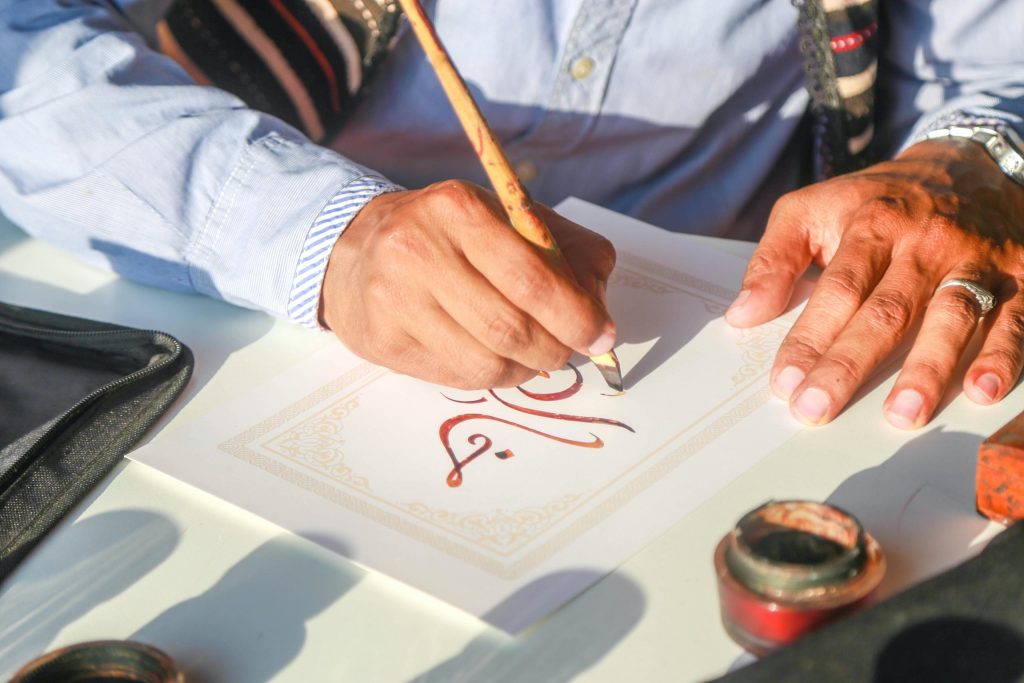
Learning a new language is always an enriching experience, but Arabic is among the most fascinating and beautiful. Whether you know it as a pastime, for travel, work, or religion, taking Arabic lessons with a professional tutor is the best way to learn. Arabic is a challenging and diverse language with a long history and numerous dialects. Therefore, working with a tutor will keep you on the right path and avoid the overwhelm while boosting your confidence. If you are still in doubt whether hiring an Arabic tutor is necessary or do not know where to begin your search, this guide will cover all you need to know.
Why learn Arabic?
More than 400 million people in the world speak Arabic. It is the language of more than 20 countries and one of the six official languages of the United Nations. Regardless of your goals or aspirations, learning Arabic encourages you to learn more about new cultures and opens doorways. Below are some of the most common reasons people decide to take Arabic classes: career opportunities and business development in the MENA region; understanding Islamic terms and interpreting the Koran; vacation in Arabic countries such as the UAE, Egypt, Morocco, or Saudi Arabia; interest in and details about Arab culture, history, and art. Since this language can become a bridge to various professions, the demand for Arabic tutors is steadily increasing.
What Does an Arabic Tutor Do?
Some advantages of hiring an Arabic tutor are as follows:
- Personalized lesson plans: You decide which lessons to study according to the topics you are interested in, such as speaking, reading or grammar.
- Real-time performance feedback: Fix mistakes early and develop good habits.
- Accountability: Attending frequent classes helps you stay disciplined and on track.
- Cultural insights: Tutors commonly provide traditions, table manners and context not found in textbooks.
- Dialect support: If you prefer to learn Modern Standard Arabic (MSA) or Egyptian, Levantine or Gulf Arabic, your tutor can nudge you in the right dialect.
What You’ll Learn in an Arabic Lesson?
Each educator has their teaching style, so no two lessons are the same; however, most Arabic lessons will cover:
- Vocabulary: Learning common words and phrases.
- Sentence structure and grammar: How Arabic builds sentences.
- Practice with speaking: training to have a better accent and speak more fluently.
- Listening Comprehension: An exercise to help you listen and understand with your ears.
- Books and writing: Tutors can help you learn the Arabic alphabet and decode simple and difficult passages.
For beginners looking to get started with Arabic, they may first learn the Arabic alphabet, pronunciation, and basic greetings. As you progress, you’ll then be reading short texts, having basic conversations, and learning basic grammar rules.
The Best Arabic Tutor for You
All tutors are not created equal, and finding the best one can have a profound effect on your test-taking results. Here are some hints to find your fit:
Define Your Goals
Do you learn Arabic for Religion, Travel, Work, or School? Defining your goals will help to focus your tutor search.
Check Qualifications
Search for tutors who have a history of teaching Arabic or have been formally educated in it. I usually prefer to go for native speakers who have teaching qualifications.
Look at Reviews and Ratings
If you’re using sites like Preply, iTalki, or Wyzant, look at student reviews. The best indicator of teaching quality is a high level of positive feedback.
Trial Lessons
Many tutors offer a free lesson or a low-priced trial lesson. Take this time to test if you like their teaching style for your type of learning.
Ask About Dialects
Arabic has many dialects. Ensure that your tutor can teach you the variant of Arabic you are most interested in, or assist you in focusing on Modern Standard Arabic.
Online vs. In-Person Arabic Tutors
Thanks to technology, you now have the choice of online Arabic tutors or live classes!
- Online Tutoring
- Flexible scheduling
- More variety of tutors around the world
- Comfort of learning from home
- Often more affordable
- In-Person Tutoring
- Face-to-face interaction
- Local cultural immersion
- It may be more comfortable for kids, beginners
Sugesstions
Here are suggestions for maximizing the effectiveness of Arabic tutor sessions.
- Hiring a tutor is only the first step. And if you want to make the most of your Arabic lessons, read on until the end!
- Practice every day: Even 15 minutes a day can make a significant difference in your life.
- “Some ways of expressing your train of thought out loud can be recorded, and you can review what you’ve said later.
- For vocabulary, use flashcards or apps like Anki.
- Watch Arabic shows or listen to Arabic music to dive right in.
- Ask questions and try not to be too scared to get something wrong- it’s why you’ve got a tutor!
Conclusion – Get Started on Your Arabic Journey
No matter where you are on your journey, or where you plan to go next, studying with an Arabic tutor can give your skills a boost and help keep you on track. A tutor is one of the best ways to learn a language.
Yes, learning Arabic takes time and commitment, but with the right instructor, you can make good progress quickly and, what’s more, have fun while you learn. So do it, find a good tutor who suits your needs and start speaking in Arabic with confidence.